
The Chosen: Beautiful, Honest, and Maybe Just a Little Too Human?
Exploring the Cultural Phenomenon that is ‘The Chosen’
If you haven't heard of The Chosen yet, you probably will soon. The multi-season series about the life of Jesus has quietly become a cultural phenomenon, watched by millions (including one of our community groups), funded by everyday people, and discussed everywhere from living rooms to coffee shops. It's artful without being pretentious, faith-filled without feeling like Sunday school, and it's capturing something people seem hungry for: a story about who was Jesus that feels both reverent and real. It's doing a lot of things beautifully. But there's one small complication worth talking about, and it's not what you'd expect.
More Than Just Another Bible Show
The Chosen didn't arrive through traditional Hollywood channels. It was crowdfunded, built on the enthusiasm of viewers who believed in it before it even existed. Now it's been translated into dozens of languages and watched across every continent. What started as a grassroots project has become something bigger: a shared experience that transcends denominations and backgrounds. In that way, it functions a bit like those open minded churches or community groups near me where people of different perspectives gather around something meaningful. The show's success isn't just about clever marketing. It's about meaning. And when you break it down, that's what makes it worth paying attention to.
What The Chosen Gets Right
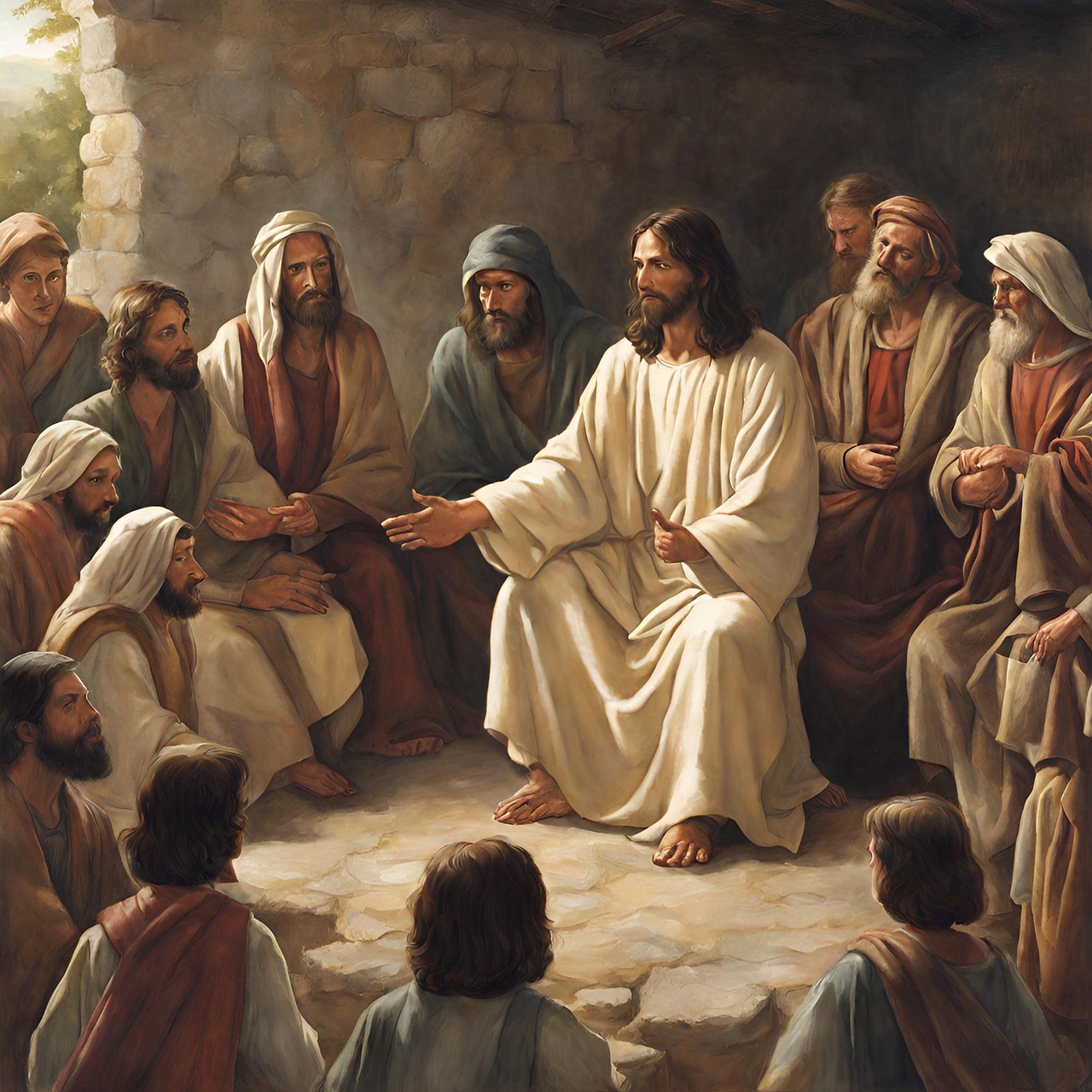
First, it's gorgeous to look at. The cinematography is intentional and rich: vivid desert sunsets, the textured grain of wooden fishing boats, close-ups that catch every flicker of emotion across an actor's face. The sets feel lived-in, not like sterile recreations. You get the sense that these dusty roads and crowded marketplaces were real places where real people actually walked. It's the kind of visual storytelling that pulls you in, making the biblical world feel immediate and alive.
Beyond the visuals, The Chosen brings spiritual depth without ever tipping into preachiness. Yes, it's rooted in Scripture, sometimes quoting directly, sometimes interpreting freely, but it always grounds the theology in human emotion. Peter isn't just "the rock." He's a hot-headed fisherman with a gambling problem and a complicated marriage. Mary Magdalene isn't a one-note symbol of redemption; she's a woman clawing her way back from darkness, one fragile step at a time. The show takes the ancient stories and fills them with authentic dialogue, doubt, humor, and heartbreak. For anyone exploring questions about faith or even just curious about the historical and spiritual figure at the center of it all, the series offers something approachable. It's devotion made accessible.
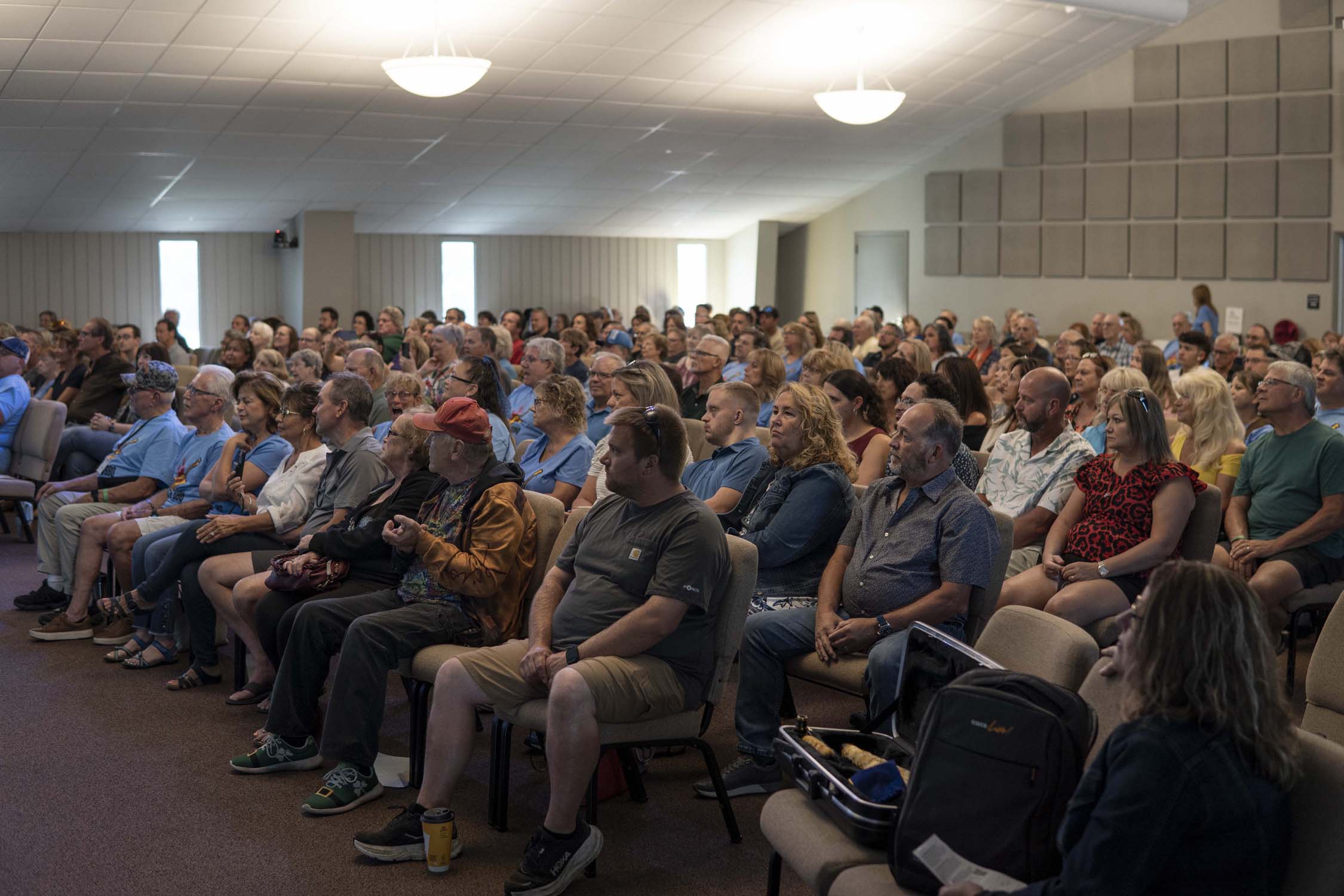
And then there's the community it creates. The Chosen has become more than something you watch alone. People gather around it. Friends host viewing nights. Strangers form discussion groups near me to unpack what they've seen and talk through what it means. It's sparked conversations across generational and theological lines in ways that feel rare these days. The show doesn't just tell a story. It invites people into a shared moment of reflection.
What's remarkable is that it pulls this off without feeling manufactured. It's faith made tangible, a story that feels lived-in, not distant.
The Lighthearted "But…"
Here's the thing, though: watching The Chosen sometimes feels like taking a stance in a debate you didn't sign up for. There's an ongoing conversation, often passionate, occasionally heated, about whether a show like this should even exist. Some people love it for bringing Jesus' story to life in fresh, emotional ways. Others feel uneasy about dramatizing the Gospels, worried that creative liberties might distort something sacred. And suddenly, just by pressing play, you're part of that tension.
It's not that the show itself is divisive in content. It's more that its very existence has become a kind of litmus test. Every viewer, intentionally or not, participates in the larger question: Is this okay? That can make enjoying it feel a little complicated, like you're not just watching a story, but weighing in on its right to be told this way. And to be fair, that tension is part of why it matters. Stories that provoke thought, even discomfort, often do so because they're touching something true.
Why It Still Matters
Despite, or maybe because of, that complexity, The Chosen resonates. It reveals a real hunger for stories of faith told with creativity and care. In a world where people increasingly turn to online church service options or seek spiritual connection outside traditional structures, The Chosen offers something more intimate: a narrative that feels personal, not institutional. It meets people where they are.
And here's the truth that often gets lost: imperfection doesn't undermine authenticity. Sometimes it highlights it. The show stumbles occasionally, a line of dialogue that feels too modern, a subplot that drags, but those imperfections remind us that faith itself is messy and human. It's living, not static. The disciples weren't polished saints in the Gospels; they were flawed, confused, and constantly missing the point. The Chosen leans into that reality, and in doing so, it reminds us that the story was always meant to be lived, not just admired from a distance.
If you're wondering where can I watch The Chosen, it's available for free on its app and website, as well as through various streaming platforms. Accessibility was always part of the vision, making the story available to anyone, anywhere.
A Story We Keep Watching
The Chosen isn't perfect, but it's powerful and deeply human. It takes a story we think we know and gives it breath, color, and complication. Even when we already know the ending, we still lean in. We watch because it's beautiful. We watch because it's honest. We watch because somewhere in the faces of these imperfect disciples, we see ourselves, still learning, still doubting, still hoping.
Maybe that's what makes this story so good. We keep watching because it keeps reminding us why we believe.
Why Do We Care?
You might think we wrote this just to get people to come to our church, but that’s not why we do what we do. We share stories like these because we believe our city gets better when we all show up for it. At Common Ground Church, we welcome people from every background, identity, and story. That kind of diversity is what makes community strong, and it’s what keeps us inspired to serve, celebrate, and stay connected to the place we call home.
Interested? Click below to learn more.